Adddress : P502, toà nhà Văn Hoa, 51 Kim Mã, Ba Đình, Hà Nội |
Phone : 0989.496.239
info@bonbontravel.com.vn
Phone : 0911.76.0000
Hotline : 0989.496.239



Capsule Hotel - A Unique Accommodation Experience in Japan
Date : 2026-03-23
Japan has long been known for its creativity in everyday life and urban design. One of the most unique accommodation concepts in the country is the capsule hotel - a compact and innovative way to stay. Instead of traditional spacious rooms, these hotels offer rest in small “sleeping pods” that are still fully equipped, creating a distinctive experience that reflects Japan’s unique approach to travel and living.
Capsule hotels first appeared in Japan in 1979 when Capsule Inn Osaka opened in the city of Osaka. The project was designed by renowned architect Kisho Kurokawa with the goal of creating a simple, convenient, and space-saving resting place for people working late in the city. Initially, this model mainly served office workers or those who missed the last train, but over time, it has become a unique symbol of Japan’s accommodation industry.
What makes capsule hotels special is their completely different spatial structure compared to traditional hotels. Instead of private rooms, each guest stays in a small sleeping pod about the size of a bed, often arranged in two levels along corridors like honeycombs. Inside each capsule, there are usually basic amenities such as a mattress, reading light, power outlets, ventilation system, and sometimes even a small TV screen. Despite the limited space, the minimalist and well-organized design ensures a comfortable resting environment.
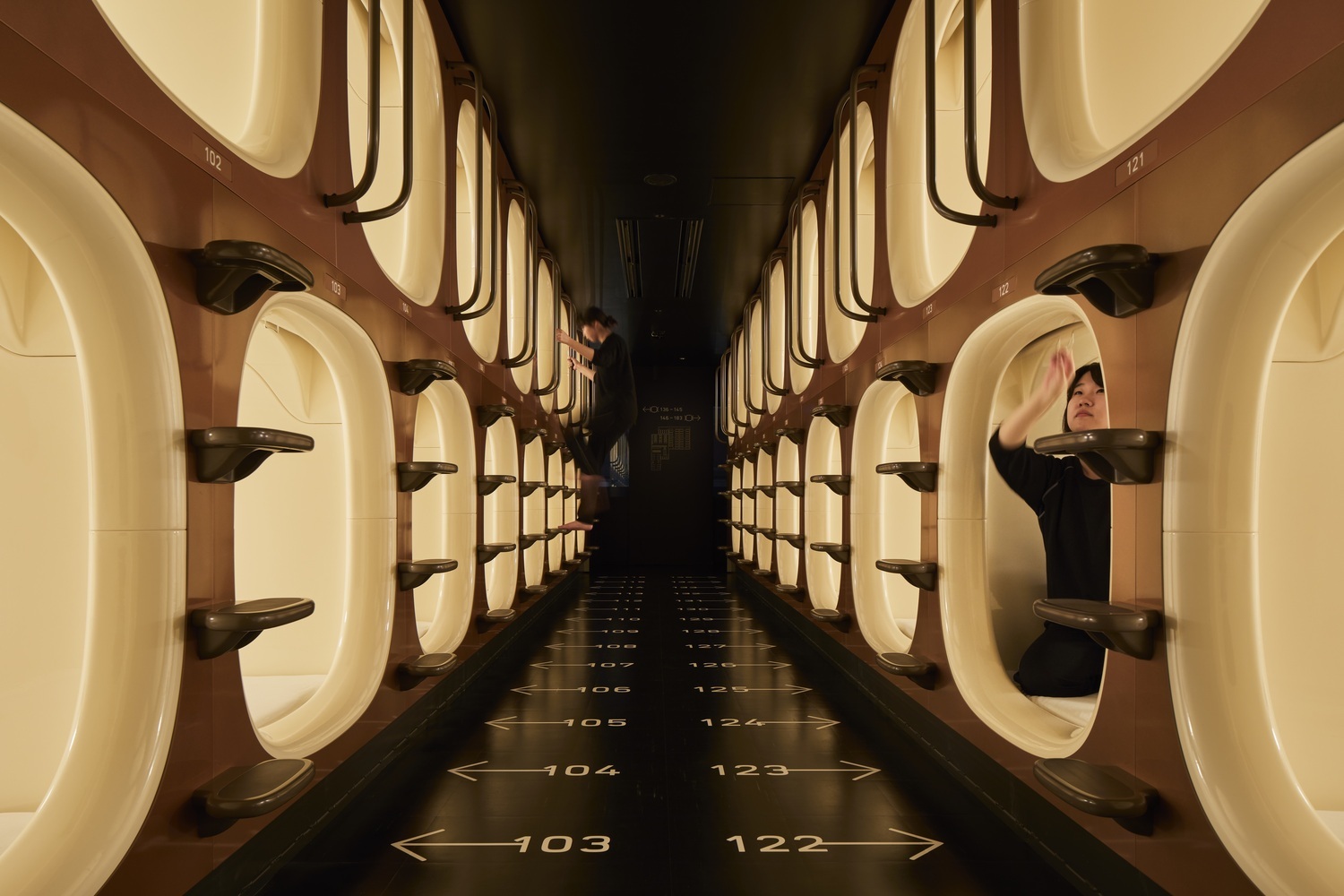
Most other facilities, such as bathrooms, changing areas, lounges, or relaxation spaces, are located in shared areas outside the capsules. Many modern capsule hotels also include reading zones, spa services, or workspaces, providing added convenience for guests. This efficient use of space makes capsule hotels an ideal solution for densely populated cities like Tokyo and Osaka.
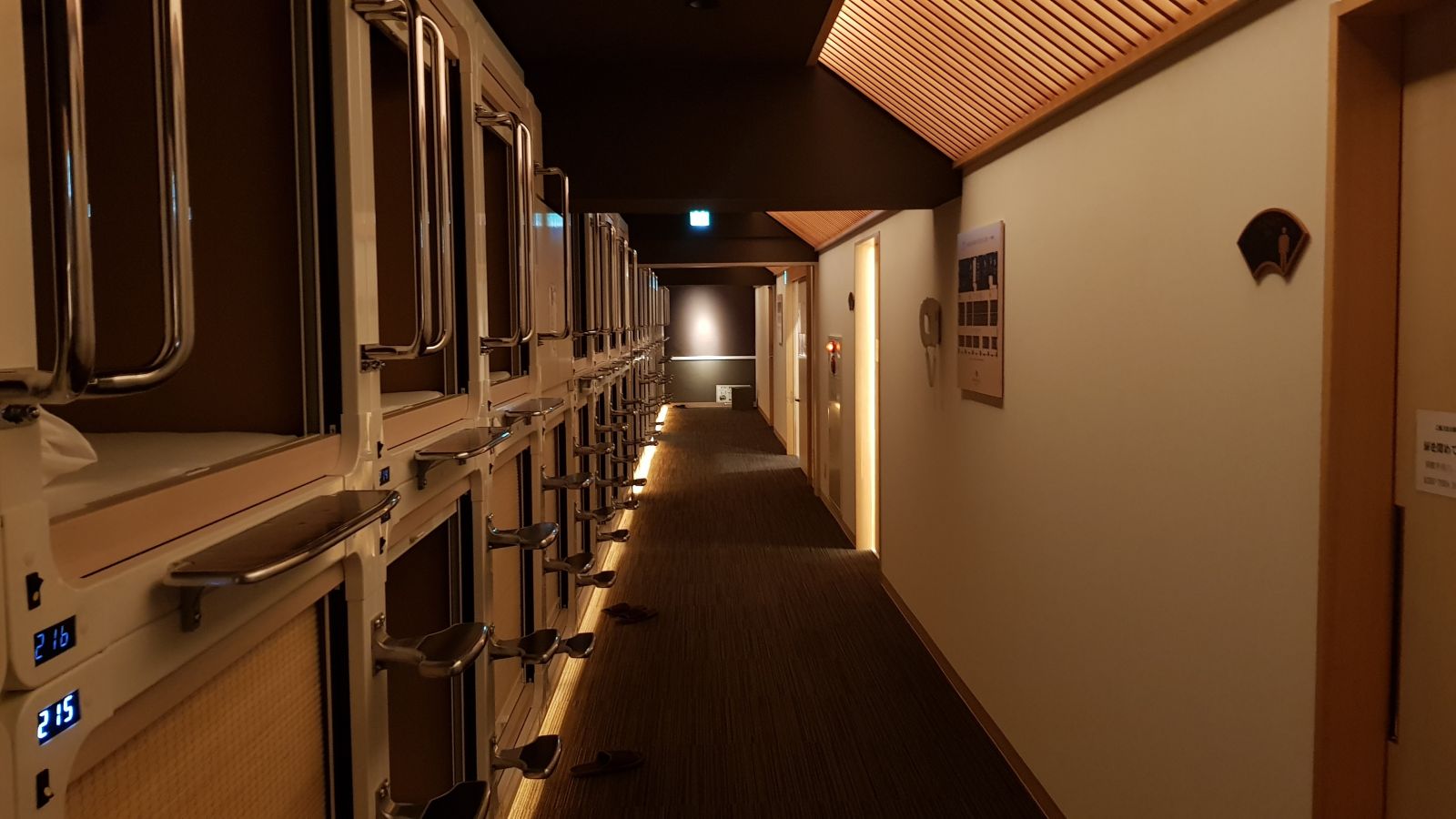
Today, capsule hotels are not only used by locals but also attract a large number of international travelers. Many visitors choose this unique accommodation experience to explore a distinctive aspect of Japan’s urban culture. With their compact, creative, and futuristic design, capsule hotels have become one of the most interesting experiences to try when visiting the Land of the Rising Sun.
Other news list
Support online

Support online
024.3732.6896


Support online
024.3732.6896

Support online
0989 496 239
Partner